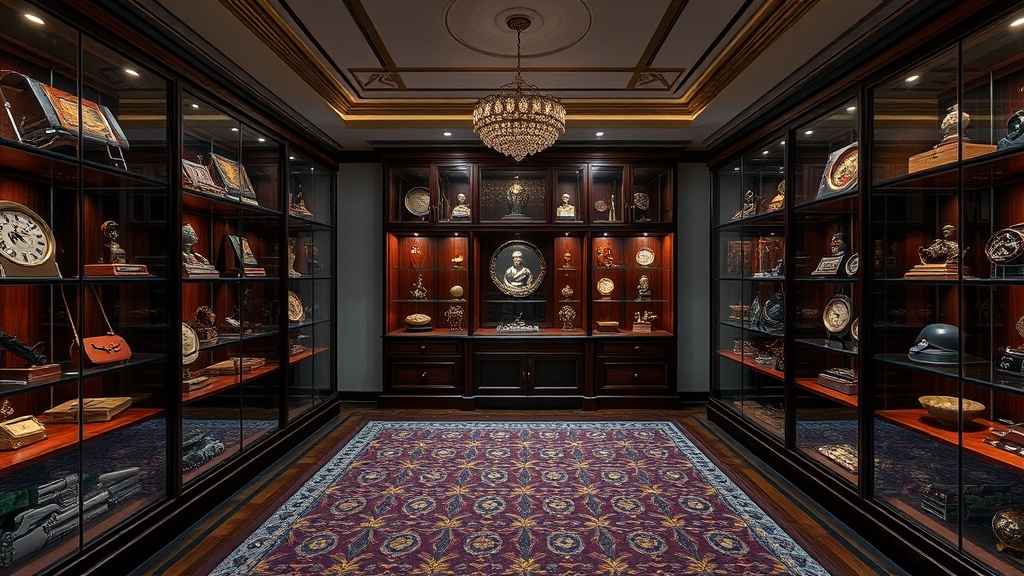
Why High-End Display Cases Are Often Overrated for Small Collections

Stop assuming a glass box is the only way to protect your figures
A common belief among collectors is that a high-end, airtight glass display case is the gold standard for protection. People spend hundreds—sometimes thousands—of dollars thinking a sealed environment is the only way to keep dust off their scale models or prevent oxidation. The truth? For many smaller collections, these expensive cases can actually create a micro-climate that does more harm than good. If you aren't monitoring the air inside that sealed box, you might just be trapping stagnant, humid air right against your most prized pieces. This post looks at why your display setup matters more than the price tag of the cabinet itself.
Displaying collectibles is a balancing act. You want them visible, but you also want them safe. Most collectors focus on the visual side—how the light hits the paint or how the silhouette looks against a backdrop—while completely ignoring the atmospheric reality of their room. A display case isn't a magic shield; it's just a physical barrier. If that barrier is poorly managed, it becomes a liability.
Is a sealed display case actually bad for your collection?
It isn't inherently bad, but it is risky. When you seal a case, you are creating a closed system. If you place a figure inside that was recently cleaned with a slightly damp cloth, or if there's any residual moisture in the air, that moisture stays there. Without airflow, you're inviting mold or even chemical reactions with certain types of plastics and paints. It's a bit of a catch-22: you want to keep the dust out, but you end up trapping the bad stuff in.
Consider the material of your figures. If you collect vintage lead soldiers or certain types of resin-based miniatures, they react differently to trapped air than modern PVC figures. A sealed case doesn't breathe. If your room temperature swings wildly during the night, the air inside that case expands and contracts, potentially pulling in outside air through tiny gaps or putting pressure on the seals. This constant movement of pressure can be a silent killer for delicate paint jobs. Instead of obsessing over a vacuum-sealed box, focus on the ambient air quality of the room where the collection lives.
How much dust can a display case really prevent?
Dust is the enemy of detail. It settles in the crevices of a soldier's uniform or the textured ground of a diorama, making it nearly impossible to clean without risking damage. However, a high-end case isn't the only answer. Many collectors find that a simple, open-shelf system with a high-quality air purifier in the room works better than a cheap, unventilated acrylic box. Air purifiers can strip particulates from the air before they even reach your shelves. You can find detailed studies on particulate matter and indoor air quality at sites like the EPA website, which explains how much dust actually circulates in standard living spaces.
If you do choose to use cases, look for modular systems that allow for easy access. You need to be able to get in there to clean the surfaces. A case that is a chore to open is a case that won't be cleaned. If you're constantly fighting with a latch or a heavy glass door, you'll eventually stop maintaining the interior. That's when the dust-build up becomes a real issue. I've seen so many collectors give up on their displays because the "protection" made the maintenance too difficult.
What are the best ways to display figures safely?
If you want a professional-looking setup that doesn't break the bank or risk your collection, think about layers. Instead of one giant, expensive cabinet, try using smaller, dedicated spaces for different parts of your collection. This allows you to control the environment for specific items. For example, your most delicate hand-painted miniatures might deserve a small, dedicated area, while your sturdier, mass-produced figures can live on an open shelf.
Here are a few-practical tips for a safer display:
- Use a dedicated air purifier: Keeping the room's air clean reduces the amount of dust that can even enter your display areas.
- Avoid direct sunlight: No matter how expensive your case is, UV rays will eventually degrade paint and plastic. Use a window with UV-blocking film or heavy curtains.
- Monitor humidity: If you live in a humid climate, a small dehumidifier in the room is far more effective than a sealed case.
- Periodic air exchange: If you use a case, open it once a week to let fresh air circulate.
For those interested in the technical side of how materials react to different environments, the American Chemical Society offers great resources on chemical stability and material science. Understanding how your specific materials behave can change how you view your display needs. Most of the time, a well-ventilated, climate-controlled room is a much better home for your figures than a cramped, airtight box.
Ultimately, the goal is longevity. You want to be able to look at your collection twenty years from now and see the same crisp details you see today. Don't let the hype of "premium" displays trick you into a setup that might actually be working against you. A simple, well-maintained shelf in a controlled room will outlast a poorly managed, expensive cabinet every single time.