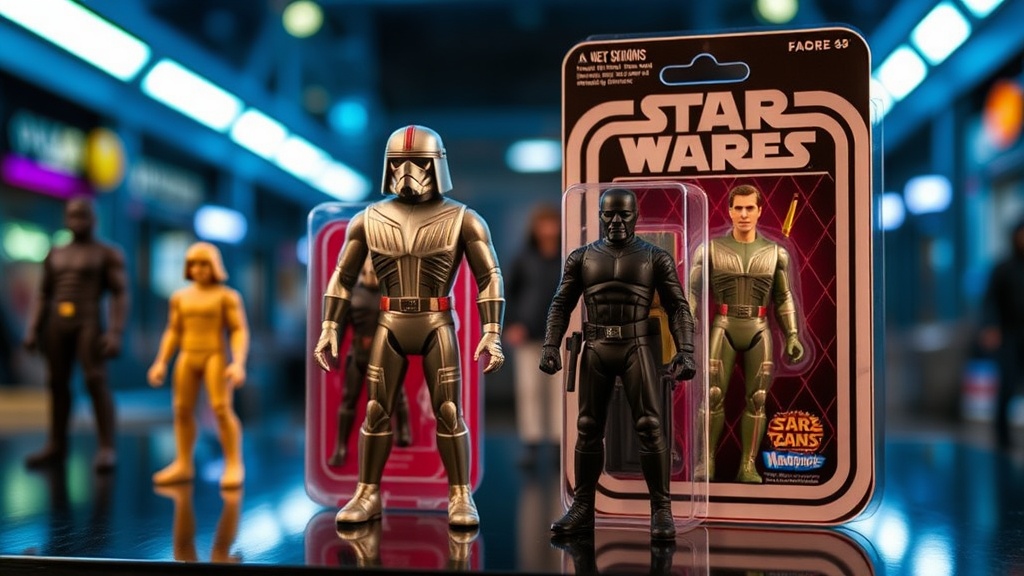
Why Carded Figures Aren't Always Worth More Than Loose Ones

Most collectors assume a figure still sealed on its original card—or boxed in its first-release packaging—automatically commands a premium over its loose counterpart. That's not always true. While pristine packaging certainly helps, the relationship between sealed and opened collectibles is far more nuanced than hobby forums often suggest. Condition, rarity, display preferences, and even the practical realities of storage space all factor into what something's actually worth—to you and to potential buyers.
I've watched newcomers pass over perfectly preserved loose figures at fair prices, convinced they're somehow "settling" when they can't find (or afford) a carded version. Meanwhile, experienced collectors quietly acquire those same loose pieces, knowing that a figure freed from deteriorating blister glue or yellowing plastic often ages better than one trapped in compromised packaging. The real question isn't whether carded is better—it's what you're collecting for, and how you plan to enjoy or eventually move your pieces.
Do Carded Figures Always Appreciate More Than Loose Ones?
The short answer: no. Carded figures do tend to fetch higher prices in specific circumstances—vintage Star Wars from the late 1970s, for instance, or G.I. Joe Real American Hero figures in unpunched condition. But appreciation depends heavily on what collectors actually want at any given moment. A beat-up carded figure with a crushed bubble, price sticker residue, and yellowed plastic often sells for less than the same figure loose and pristine.
Market data from eBay sold listings and specialized auction houses like Heritage Auctions consistently shows this spread. A loose, complete vintage He-Man figure with tight joints and minimal paint wear can outperform a carded example with a torn blister or water-damaged card back. Collectors grading for display—or those who simply want to pose their acquisitions—often prefer loose pieces they can actually handle without destroying packaging they don't value anyway.
The appreciation gap also narrows considerably for modern releases. Mass-produced figures from the last decade—Marvel Legends, Black Series, McFarlane's DC Multiverse— rarely see the kind of scarcity-driven price spikes that reward sealed collectors. When Walmart orders 50,000 units of a Spider-Man variant, keeping it carded mainly preserves your option to return it later, not to fund your retirement.
What Condition Factors Actually Drive Value?
For carded figures, condition assessment splits into two separate evaluations: the figure itself and its packaging. A mint figure trapped in damaged packaging creates a dilemma. Do you free it—destroying any "carded" premium—or display it as-is, compromised bubble and all? Professional grading services like CGC (which now grades action figures) assess both elements separately, though their combined grade often punishes packaging flaws severely.
Here's what actually matters when evaluating sealed collectibles:
- Card/box integrity: Creases, bends, and corner wear reduce value significantly. A "near mint" figure in "good" packaging rarely grades above 7.0 overall.
- Bubble clarity and attachment: Yellowed or separating bubbles (common with 1990s Kenner and Hasbro releases) indicate impending failure. Once the seal breaks, you've got a loose figure whether you wanted one or not.
- Price stickers and residue: Retail stickers from defunct chains (Kay-Bee, Children's Palace) sometimes add nostalgic character, but tape residue and torn paper almost always detract.
- Unpunched vs. punched: For vintage lines, an unpunched hang tab suggests the figure never hit retail pegs—though modern collectors increasingly view this as irrelevant for display purposes.
For loose figures, collectors prioritize tight joints, complete accessories, paint quality, and structural integrity. A loose figure with all its gear, no floppy limbs, and minimal play wear often satisfies collectors more than a carded example they can't touch. Storage also becomes simpler—loose figures occupy less space, travel more easily, and integrate better into active display environments.
Should You Ever Open a Carded Figure?
This question generates surprisingly heated debate. The purist camp insists that opening vintage packaging destroys historical artifacts. The pragmatist camp argues that figures were manufactured to be played with—and that deteriorating packaging (brittle plastic, acidic cardboard) sometimes threatens the figure inside more than careful handling would.
Consider opening sealed packaging when:
- The bubble is already separating or cracking, exposing the figure to dust and oxidation.
- You have no intention of selling, and the figure's poseability matters more to you than its resale ceiling.
- The packaging itself is severely damaged—crushed card, torn artwork, water staining—eliminating any premium for keeping it sealed.
- You've acquired a duplicate specifically for display purposes while preserving a better example in storage.
The "liberation" philosophy has gained traction among collectors tired of treating toys as speculative investments rather than objects of appreciation. Groups like the International G.I. Joe Collectors Club (now transitioned to fan communities) have long advocated for collecting what you love in the condition that brings you satisfaction—not the condition that impresses hypothetical future buyers.
The Storage Reality Check
Here's something carded collectors rarely discuss openly: storing hundreds of blister-carded figures requires serious space and climate control. Cardboard absorbs moisture. Plastic becomes brittle in dry conditions or sticky in humid ones. Sunlight fades artwork. A figure you've kept carded for twenty years may emerge from storage with a collapsed bubble, warped card, or worse—cardboard acid leaching into the figure's plastic through sustained contact.
Loose figures stored in archival plastic bins with silica gel packets, kept in climate-controlled environments, often survive decades with minimal degradation. They can be rearranged, photographed, and enjoyed without wrestling with tape, glue, or the guilt of "ruining" packaging that was already compromised.
Building a Collection That Reflects Your Priorities
Your collection should match how you actually engage with the hobby. If you derive satisfaction from pristine packaging, unpunched cards, and the thrill of acquisition over display, carded collecting offers legitimate pleasures. If you want to pose figures, photograph scenes, or simply appreciate sculpt and paint applications up close, insisting on carded examples creates unnecessary barriers between you and your pieces.
Many serious collectors maintain hybrid approaches—carded examples for true grails and investment-grade pieces, loose duplicates for active display and handling. This strategy costs more upfront but preserves options. The key is intentionality: knowing why you're keeping something sealed (or setting it free) rather than defaulting to received wisdom about what "real" collectors do.
The market ultimately rewards authenticity over dogma. A well-curated collection of loose figures with documented provenance, careful storage history, and complete accessories impresses serious buyers more than a garage full of yellowed bubbles and crushed cards collected because someone insisted they'd "go up in value." Collect what speaks to you. Display it how you prefer. The figures don't care either way—and neither should anyone else.