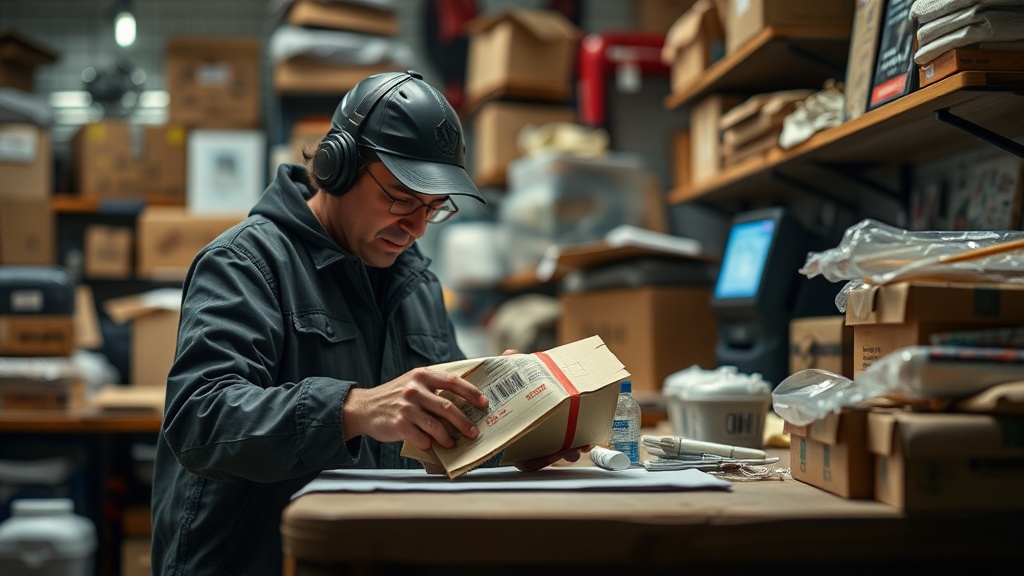
Packing Collectibles So They Survive The Post Office Every Time

You'll learn how to secure your toys for shipping so they don't arrive looking like a pile of scrap plastic. Shipping isn't just about sticking a label on a box; it's about making sure your hard-earned collection stays in its current condition through thousands of miles of transit. Whether you're selling a rare vintage find or trading with a fellow collector, the way you pack determines whether you get a five-star review or a nightmare return request. It is about understanding physics and choosing the right materials to create a buffer between your plastic and the rough world of postal sorting facilities.
How do you pack carded action figures for shipping?
Packing carded figures—especially those delicate vintage ones from the eighties—requires a strategy that protects both the bubble and the cardback. If the bubble cracks or the card gets a vein, the value can drop by half in an instant. You should always start by using a protective case like a Star Case or a similar rigid acrylic shell. This prevents the bubble from being crushed if the box is compressed by heavier packages. If you don't have a case, you can make a protective sandwich out of two pieces of thick, corrugated cardboard that are slightly larger than the cardback. Secure the cardboard with tape, but make sure the tape never touches any part of the toy packaging. Once the figure is protected, wrap it in small-cell bubble wrap. Large-cell wrap is great for filling empty space, but small bubbles provide better contouring for smaller items. You want enough wrap so that the item doesn't shift, but not so much that you're putting extreme pressure on the plastic bubble. Many older figures have brittle bubbles that can shatter under too much tension. Also, pay attention to the 'punch'—that little pre-cut hole at the top of the card. If you wrap it too tightly without a protector, you might accidentally pull the punch and turn a 'unpunched' figure into a 'punched' one, which is a major hit to the price tag.
What is the best way to wrap loose figures to prevent paint rub?
Loose figures have their own set of problems, mostly involving the paint and joints. When two figures rub against each other or even against rough packaging material, you get 'paint rub'—those annoying marks where the color has scraped off the nose or the armor. You should never throw loose figures into a bag together. Instead, put each figure in its own acid-free plastic bag. Don't use standard cheap sandwich bags if you're storing them long-term, but for a quick trip in the mail, they're usually fine. For high-end figures, wrap them in a layer of acid-free tissue paper before the bubble wrap. This adds a soft barrier that won't react with the figure's plastic over time. If the figure has accessories—blasters, hats, or capes—take them off. Put the small parts in a tiny zip-top bag and tape that bag to the inside of the bubble wrap so it doesn't get lost or scratch the figure's face during the bumpy ride. Think about the limb positioning too. If a figure has tight joints, don't force it into a weird pose to fit a small bag. Keep it in a neutral 'soldier' stance to avoid stressing the internal elastic or plastic pins during transit. Plus, if the package gets cold, that plastic becomes brittle; a figure in a stressed pose is much more likely to snap if the box takes a hard hit.
Is double-boxing necessary for expensive collectibles?
If you're shipping something worth more than a hundred bucks, you're taking a massive risk if you don't double-box. The idea is simple: you put your wrapped toy inside a smaller box, and then put that box inside a larger one. You want at least two inches of padding—packing peanuts, crumpled paper, or air pillows—between the inner box and the outer box. This creates a 'crush zone' that protects your item from the hazards of the road. If the outer box gets a hole poked in it by a sorting machine or a corner smashed by a heavy crate, the inner box stays safe. Make sure the inner box doesn't rattle. If you shake the package and hear movement, you haven't used enough packing material. You can find high-quality shipping supplies at places like USPS or local office supply stores. It's also worth checking out FedEx's guidelines for fragile items, as they have strict standards for what counts as 'properly packed' for insurance claims. Don't forget to check the 'Edge Crush Test' (ECT) rating on the bottom of your boxes. For heavy toys, you want a box with a higher rating to ensure it doesn't collapse under the weight of other mail.
The type of tape you use matters more than you might think. Don't use masking tape or duct tape—they don't hold up well in heat and can peel off easily when the humidity spikes. Stick with heavy-duty clear shipping tape. Use the 'H-tape' method: seal the middle seam of the box and then seal both edge seams on the top and bottom. This keeps the box structural and prevents dust or moisture from getting in. Also, avoid using old newspaper as a primary packing material. The ink can rub off onto your toys or boxes, and it doesn't provide much cushioning once it gets flattened. Instead, go for brown kraft paper or packing peanuts. If you're worried about the environment, there are biodegradable starch-based peanuts that work just as well as the old foam ones. Just don't get them wet, or they'll turn into a sticky mess that will ruin your collectible faster than a toddler with a permanent marker. Another thing to consider is the unboxing experience. Don't go overboard with the tape on the bubble wrap. There's nothing worse than having to use a sharp knife right next to a pristine cardback because the seller used an entire roll of tape on one figure. Use just enough to keep the wrap secure, and maybe fold over the end of the tape to create a little pull-tab for the buyer.
One thing people often forget is the climate. If you're in Halifax like I am, or anywhere with high humidity, you need to be aware of moisture getting trapped. If you seal a figure in a plastic bag on a humid day, that moisture stays in there. In extreme cases, this can lead to 'frosting' on the plastic—a white powdery residue—or even mold growth if the package sits in a warm truck for a week. Throwing a small silica gel packet into the box—not inside the figure's bag, but in the shipping box—can help absorb any stray moisture. It's a small step that shows the buyer you really know your stuff and care about the long-term health of the figure. Similarly, if you're shipping during a heatwave, be aware that the glue on vintage bubbles can soften. In those cases, you might want to pay for faster shipping so the package spends less time sitting in a hot warehouse or a delivery van. You can find more about professional packing over at the eBay shipping tools page, which is a great resource for anyone regularly moving items through the mail.
Large items like playsets or vehicles—think the HasLab Sentinel or a vintage AT-AT—are a whole different beast. You can't just find a Star Case for a four-foot-tall robot. For these, the box strength is everything. Look for 'double-walled' boxes, which have two layers of corrugated cardboard. They are much heavier but provide the structural integrity needed to keep a heavy vehicle from crushing itself under its own weight if the box is dropped. Inside the box, you want to immobilize the item completely. If it slides around, it builds up momentum, and that's when parts snap. Use large air pillows or blocks of dense foam to wedge the item into the center of the box. If the item has a lot of moving parts or fragile wings, wrap those individually with tissue before the bubble wrap so the pressure of the wrap doesn't snap a clip. Take the batteries out, too. Leaking batteries have ruined more vintage toys than almost anything else, and you don't want a leaky cell destroying a playset while it's in transit.
Before you seal that box, take a few photos. You want a picture of the item as it's wrapped, a picture of it inside the inner box, and a final shot of the sealed outer box with the label attached. If a buyer claims the item was damaged, or if the post office loses it, these photos are your best defense. They prove you did your job correctly. Most collectors are reasonable, but shipping insurance is there for a reason. Don't skimp on it for expensive items. It might cost an extra five or ten dollars, but that's a lot better than losing the entire value of a rare figure because a delivery truck had a bad day. Your buyer will appreciate the care you took, and it'll help your reputation in the community. Good feedback is the lifeblood of a collector, and a safely delivered package is the easiest way to get it.