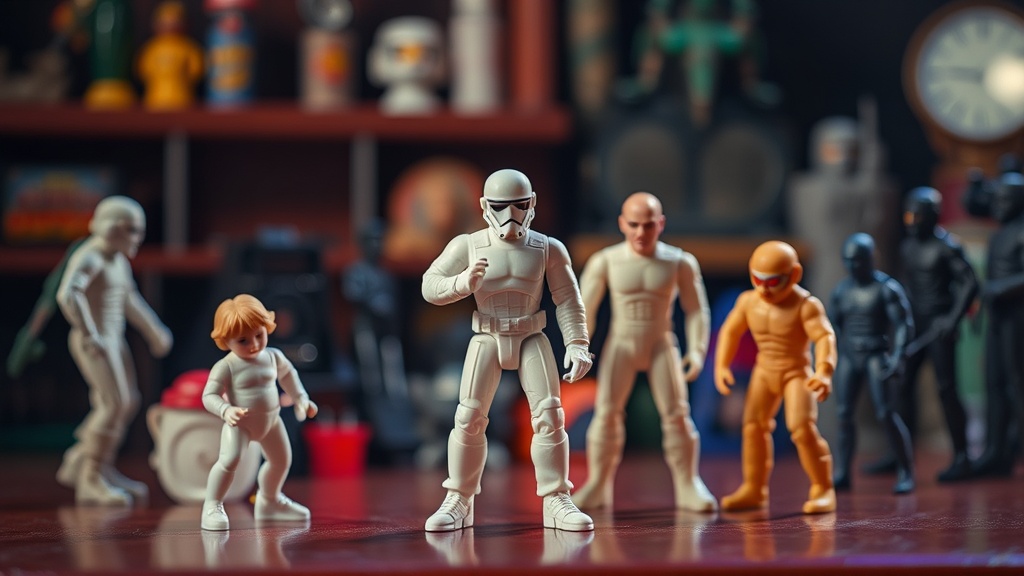
Common Mistakes When Cleaning Vintage Plastic Figures

Why Most Collectors Ruin Their Figures with Improper Cleaning
Most collectors assume that a quick dip in soapy water or a vigorous scrub with a toothbrush is the best way to refresh a dusty figure. They're wrong. In fact, that's exactly how you end up with a melted face or a stripped paint job. Cleaning vintage plastic isn't about removing dirt; it's about removing debris without compromising the structural integrity of the material. If you treat a 1970s action figure like a modern piece of durable plastic, you'll likely cause irreversible damage.
The biggest mistake I see is using aggressive chemicals. People think that if a little soap works, a heavy-duty degreaser or an alcohol-based cleaner will work better. It doesn't. It actually eats through the plasticizers that keep the figure flexible. Once that happens, the figure becomes brittle—and once it's brittle, it's basically a paperweight. You'll see cracks forming in the joints or even complete breakage within weeks of a 'deep clean.'
Is it Safe to Use Alcohol on Plastic Figures?
The short answer is: rarely. While alcohol is great for sanitizing surfaces, it's a nightmare for many types of vintage plastics and paints. High concentrations of isopropyl alcohol can act as a solvent, dissolving the very paint you're trying to preserve. If you've ever seen a figure where the paint looks cloudy or 'melted' after a cleaning, it was likely an alcohol encounter. If you must use it for a specific stubborn spot, dilute it heavily and test a tiny, inconspicuous area first. But honestly, it's better to avoid it entirely.
Instead, think of cleaning as a delicate ritual. You aren't washing dishes; you're preserving a piece of history. Most of the time, a gentle puff of air or a soft-bristled brush is all a figure needs to look its best. If you're dealing with actual grime—the kind that sticks to the figure—you'll need a much softer touch than you think. I always recommend a very mild, pH-neutral soap. Think of it as the difference between a power washer and a feather duster.
What Brushes Should You Use for Small Details?
If you find yourself needing to get into the crevices of a figure's armor or the folds of a cape, don't reach for a heavy kitchen scrub brush. The bristles on those are far too stiff for the delicate paint applications found on high-end collectibles. Instead, look toward the world of makeup or fine arts. A soft, synthetic eyeshadow brush or a high-quality paint brush meant for watercolors is your best friend here.
- Soft Makeup Brushes: Great for dusting off large areas of a figure without leaving scratches.
- Fine Detail Brushes: Use these for much smaller, specific areas like the eyes or intricate gear.
- Compressed Air: A low-pressure blast can clear out dust from deep crevices without touching the figure at all.
When using a brush, never use a circular motion that applies pressure. Instead, use light, flicking motions. You want to lift the dust away, not rub it into the surface. If you rub, you're just spreading the grime around, which can lead to a muddy appearance that's much harder to fix later.
How to Handle Sticky Residue on Plastic?
Sometimes, you'll find a figure that feels tacky or sticky to the touch. This is usually a sign of chemical breakdown—the plastic is literally decomposing. This is often called "plasticizer migration." It's a common issue with older figures that weren't stored in temperature-controlled environments. In these cases, a standard cleaning won't help because the problem is inside the material itself.
If the stickiness is caused by an external substance, like old adhesive or spilled soda, you have to be extremely careful. A very weak solution of water and a drop of mild dish soap is the safest bet. Dip a cotton swab into the solution, squeeze out the excess so it's barely damp, and dab the area. Never soak the figure. Soaking can cause water to enter the joints, leading to internal corrosion or mold growth if the figure has any metal components.
| Method | Risk Level | Best Use Case |
|---|---|---|
| Compressed Air | Very Low | Removing loose dust from armor or capes. |
| Soft Makeup Brush | Low | Cleaning larger surfaces and textured areas. |
| Mild Soap & Water | Medium | Removing visible grime or organic residue. |
| Solvent/Alcohol | High | Avoid unless you are an expert with a specific target. |
If you're ever in doubt, err on the side of doing nothing. A little bit of dust is much better than a ruined figure. Collectors often feel an urge to make things look "perfect," but perfection often comes at the cost of the figure's longevity. I've seen way too many people lose a valuable piece because they wanted it to look "brand new" for a photo. If a figure is truly dirty, consult a professional conservator or specialized forums like The Toy Museum archives to see how others have handled similar issues.
For more deep dives into the preservation of certain types of materials, you might check out the guidelines at The American Institute for Conservation. While they focus on broader museum-grade-items, the principles of avoiding harsh chemicals and temperature extremes are exactly what you need to keep your collection in top shape.